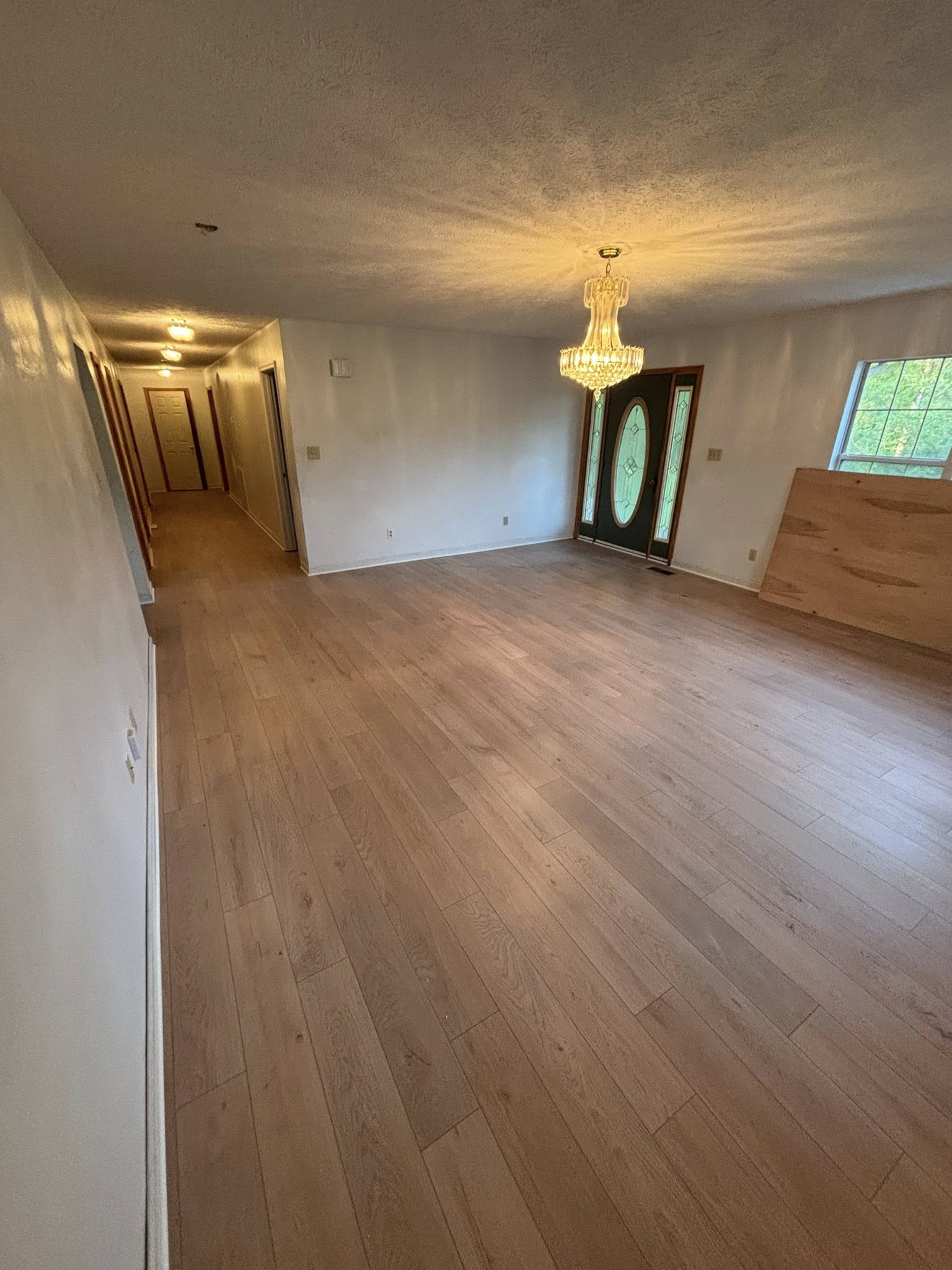
The Ultimate Guide to Caring for Hardwood Floors in Humid Climates Aug 07, 2026
Start by understanding how humidity affects hardwood floors. Wood is a porous material, which means it absorbs and releases moisture based on the surrounding environment. In humid conditions, wood tends to expand, and in dry conditions, it contracts. These changes can lead to issues such as warping, gaps, or even permanent damage if not managed properly.
The first proactive step is to control the indoor humidity levels. Ideally, your home's humidity should be between 35% and 55%. During particularly humid months, consider using a dehumidifier to help maintain this balance. Air conditioning can also help by reducing moisture levels within your home. Tennessean homes, especially those with central air systems, can regulate indoor climates effectively.
Next, consider your flooring's finish. Floors with a high-quality sealant or finish are better protected against moisture. Make sure to periodically check your floors and reapply sealants or finishes as needed. This not only enhances the appearance but acts as a frontline defense against humidity.
Cleaning is another crucial aspect of caring for hardwood in humid climates. Use the correct cleaning method to preserve the wood's finish. Avoid excessive water when cleaning—damp mopping is preferable to soaking wet cleans. The floor should be kept as dry as possible, immediately drying any spills to prevent seepage between planks.
Furniture and rugs can also play a role in hardwood maintenance. Use protective pads under furniture to prevent scratching or shifting that could compromise the integrity of your floors. Rugs can help absorb some of the humidity and protect the high-traffic areas of your home, thereby reducing wear and tear.
Regular inspections are vital for early detection of potential problems. Walk through your home to look for signs of damage or distress such as buckling, cupping, or separations between boards. Address these issues promptly by consulting with flooring professionals, like Tennessee Flooring Solutions, who have specialized knowledge and tools for handling hardwood floors in humid climates.
In addition to professional consultations, consider routine maintenance checks with a floor expert. Their insights can be invaluable in assessing the condition of your floors and suggesting additional care tips tailored to your home’s unique environment.
Investing in the right equipment is a long-term safeguard. Humidity gauges are an inexpensive tool for ongoing monitoring, alerting you to fluctuations before they become problematic. Equipped with this data, you can take timely action to protect your floors.
In conclusion, caring for hardwood floors in humid climates, especially in states like Tennessee, requires a mindful approach. By maintaining appropriate humidity levels, using the right cleaning techniques, ensuring furniture protection, regularly inspecting for damage, and seeking professional advice when needed, you can keep your hardwood floors looking exquisite for years to come. Entrust the experts at Tennessee Flooring Solutions to provide expert advice and solutions tailored to your flooring needs. Your floors will thank you.
/filters:no_upscale()/filters:format(webp)/media/49cfaa1a-a4ba-41d5-b50a-850280e7742b.jpeg)